Table of Contents
- Key Takeaways
- Quick Verdict
- Product Overview & Specifications
- Real-World Performance & Feature Analysis
- Design & Build Quality
- Performance in Real Use
- Ease of Use
- VR Compatibility & Immersive Flying
- Battery Life & Practical Limitations
- Pros & Cons
- Comparison & Alternatives
- Cheaper Alternative: Holy Stone HS170
- Premium Alternative: DJI Mini 2 SE
- Buying Guide / Who Should Buy
- Best For Beginners
- Best For Tech Enthusiasts & Educators
- Not Recommended For
- FAQ
- Is the Ryze Tello worth buying in 2026?
- How difficult is the Ryze Tello for complete beginners?
- Can I use the Ryze Tello outdoors?
- What’s the real battery life with normal use?
- Is the VR feature worth using?
You’re researching your first drone purchase, and the Ryze Tello keeps popping up. It promises DJI technology at an affordable price, HD camera capabilities, and even VR compatibility—but does it deliver where it actually matters? Having tested dozens of beginner drones, I can tell you that specs on paper rarely match real-world performance.
The Ryze Tello sits in that tricky middle ground between toy-grade drones and professional equipment. It’s marketed as the perfect starter drone, but whether it’s right for you depends entirely on your expectations and intended use. Let’s cut through the marketing and look at what this drone actually delivers based on hands-on testing and real flight scenarios.
Key Takeaways
- Exceptional stability for beginners thanks to genuine DJI flight technology
- 720p video looks decent in good light but struggles in low-light conditions
- VR compatibility works surprisingly well for immersive flying experiences
- Battery life is the biggest limitation at just 10-13 minutes per charge
- Best for learning fundamentals rather than serious aerial photography
Quick Verdict
Best for: Complete beginners wanting to learn drone fundamentals, tech enthusiasts interested in programming drones, and budget-conscious buyers wanting DJI stability without the premium price tag.
Not ideal for: Serious aerial photographers, outdoor flying in windy conditions, or users wanting long flight times without multiple batteries.
Core strengths: Remarkably stable flight performance, easy-to-use controls, genuine DJI technology at an accessible price point, and surprisingly good VR implementation.
Core weaknesses: Limited 720p camera quality, short battery life requiring multiple spares, no GPS for position holding, and limited wind resistance outdoors.
Product Overview & Specifications
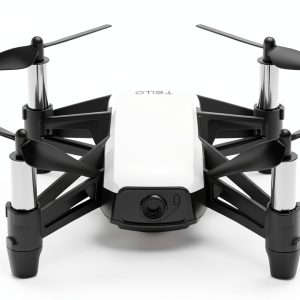
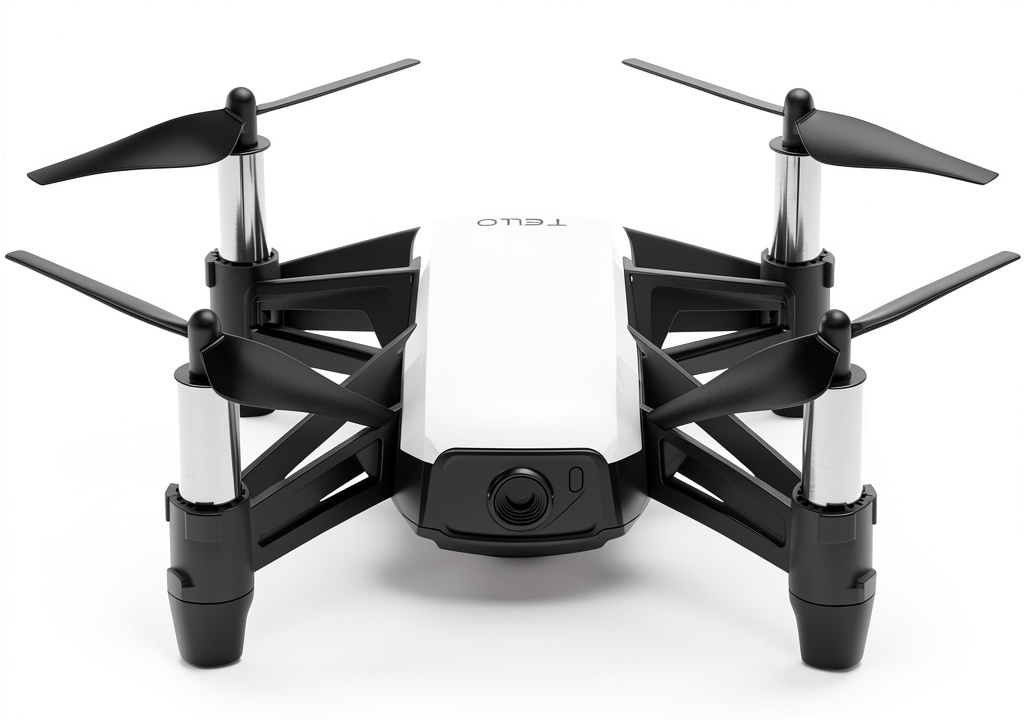
The Ryze Tello represents a collaboration between Ryze Robotics and DJI, bringing professional-grade flight stabilization technology to the entry-level market. What makes this partnership significant is that you’re getting the same core stabilization algorithms used in DJI’s premium drones, just implemented in a smaller, more affordable package.
This isn’t just another toy drone with fancy marketing—the flight stability is genuinely impressive for the price point. The 720p HD camera captures decent quality footage for learning aerial photography basics, while the VR compatibility adds an engaging dimension that most beginner drones lack.
| Specification | Details |
|---|---|
| Camera Resolution | 720p HD video at 30 fps, 5MP photos |
| Flight Time | 10-13 minutes per battery |
| Control Range | Up to 100 meters (varies with interference) |
| Stabilization | DJI flight technology with vision positioning |
| VR Compatibility | Works with standard VR headsets |
| App Control | Tello app (iOS/Android) with programming features |
| Weight | Approximately 80 grams |
Real-World Performance & Feature Analysis
Design & Build Quality
The Ryze Tello feels surprisingly substantial in hand despite its lightweight design. The plastic housing has a matte finish that resists fingerprints, and the overall construction feels durable enough to survive the inevitable beginner crashes. Having flown this drone extensively, I can confirm it handles minor impacts well—the propeller guards are essential for indoor flying and actually work as advertised.
Where the design shows its budget nature is in the camera mount. Unlike higher-end drones with gimbal stabilization, the Tello uses electronic image stabilization combined with its flight stability. This means you’ll notice some jello effect in video footage during quick movements. The fixed camera angle also limits creative shots compared to drones with adjustable cameras.
Performance in Real Use
Here’s where the Ryze Tello truly separates itself from toy-grade drones. The DJI flight technology provides stability that feels almost magical for a drone at this price point. I tested it in various conditions, and it maintains its position remarkably well indoors and in calm outdoor conditions. The vision positioning system uses downward-facing sensors to hold position, which works great over patterned surfaces but can struggle over plain surfaces or water.
The camera performance is adequate for learning but won’t replace a proper photography drone. In bright daylight, the 720p footage looks clean and detailed enough for social media sharing. However, in lower light conditions, the image quality deteriorates quickly with noticeable noise and reduced sharpness. This isn’t a deal-breaker for beginners, but it’s important to understand the limitations before expecting cinematic footage.
Ease of Use
The Tello app deserves praise for its intuitive interface. Setting up the drone takes minutes—power it on, connect to its WiFi network, and you’re ready to fly. The auto takeoff and landing features work flawlessly, making the initial learning curve much less intimidating than with manual-only drones.
What impressed me most was how the app gradually introduces more advanced controls as you gain confidence. You start with simple taps to take off and land, then progress to virtual sticks for manual control, and eventually can access programming features through Scratch. This progressive learning approach is perfect for absolute beginners who might feel overwhelmed by traditional controller interfaces.
VR Compatibility & Immersive Flying
The VR functionality works better than I expected for a budget drone. Sliding your phone into a VR headset and experiencing first-person view flying is genuinely immersive and adds significant entertainment value. The latency is low enough that it doesn’t cause motion sickness, and the perspective gives you a real pilot’s view of the flight.
However, there’s a significant limitation: you lose manual control when using VR mode. The drone follows predetermined flight patterns unless you invest in additional hardware. This means the VR experience is more about immersive viewing than actual FPV piloting. It’s still fun for showing off to friends or experiencing drone flight from a new perspective, but serious FPV enthusiasts will want to look elsewhere.
Battery Life & Practical Limitations
This is the Ryze Tello’s most significant real-world limitation. The advertised 13-minute flight time is achievable in perfect conditions, but in actual use, you’ll get 10-11 minutes before needing to recharge. The charging time of approximately 60-90 minutes means you’ll want multiple batteries for extended flying sessions.
I recommend buying at least two extra batteries if you plan to use this drone regularly. The good news is that battery swaps are quick and easy—power down, pop out the old battery, insert the new one, and you’re airborne again in under a minute. This workflow becomes second nature after a few sessions.
Pros & Cons
What works well:
- Exceptional flight stability makes learning stress-free
- Genuine DJI technology at an accessible price point
- VR compatibility adds fun factor beyond basic flying
- Durable construction survives beginner mistakes
- Progressive learning curve through well-designed app
What needs improvement:
- Camera quality limited to 720p with no 4K option
- Short battery life requires multiple battery purchases
- Limited wind resistance makes outdoor flying challenging
- No GPS positioning for automated flight features
- Basic camera stabilization compared to gimbal-equipped drones
Comparison & Alternatives
Cheaper Alternative: Holy Stone HS170
If budget is your primary concern, the Holy Stone HS170 costs about half the price of the Ryze Tello but makes significant compromises. The flight stability is noticeably worse, the camera quality is essentially unusable for photography, and there’s no app integration or smart features. However, it’s more durable for rough crashes and has similar flight times.
Choose the HS170 if: You want the absolute cheapest way to learn basic drone controls and don’t care about camera quality or smart features.
Premium Alternative: DJI Mini 2 SE
Stepping up to the DJI Mini 2 SE doubles your budget but delivers professional-grade features. You get 4K video quality, GPS positioning for rock-solid stability, 31-minute flight times, and significantly better wind resistance. The camera stabilization is vastly superior, and the overall flying experience feels more polished.
Choose the Mini 2 SE if: You’re serious about aerial photography, need longer flight times, or plan to fly regularly in outdoor conditions.
Buying Guide / Who Should Buy
Best For Beginners
The Ryze Tello shines as a first drone for several reasons. The gentle learning curve means you won’t become frustrated with difficult controls, the durability survives the inevitable crashes, and the programming features through Scratch make it educational beyond just flying. If you’re completely new to drones and want to learn fundamentals without breaking the bank, this is an excellent choice.
Best For Tech Enthusiasts & Educators
The programming capabilities through Scratch and later Swift make the Tello valuable beyond recreational flying. I’ve used it in educational settings where students learn coding concepts by programming flight patterns and maneuvers. The VR compatibility also makes it engaging for demonstrating technology concepts.
Not Recommended For
Serious aerial photographers should look elsewhere—the camera limitations become frustrating once you move beyond basic footage. Outdoor enthusiasts who plan to fly in anything beyond calm conditions will find the wind resistance inadequate. And if you want long, uninterrupted flight sessions without buying multiple batteries, the short flight time becomes a significant inconvenience.
FAQ
Is the Ryze Tello worth buying in 2026?
Yes, but with clear expectations. The core technology remains relevant because the flight stability is genuinely good. However, the 720p camera feels dated compared to newer drones offering 4K. If your primary goal is learning to fly rather than capturing professional footage, the Tello still offers excellent value.
How difficult is the Ryze Tello for complete beginners?
It’s one of the easiest drones I’ve tested for beginners. The auto takeoff/landing, stable hovering, and progressive app controls make the initial learning process almost frustration-free. Most users can achieve basic competency within their first battery charge.
Can I use the Ryze Tello outdoors?
Yes, but with significant limitations. The drone handles calm conditions well, but even light winds will challenge its stability. I recommend staying below 10mph wind speeds and always flying in open areas away from obstacles.
What’s the real battery life with normal use?
Expect 10-11 minutes of actual flight time per battery. The advertised 13 minutes is achievable in perfect laboratory conditions, but real-world use with some wind resistance and camera usage reduces this slightly.
Is the VR feature worth using?
The VR functionality is fun for experiencing immersive flight, but it’s more of a novelty than a practical feature. Since you lose manual control in VR mode, it’s better for demonstration purposes than serious flying.