Table of Contents
You’re researching drones because you want stunning aerial footage without the complexity and bulk of professional gear. I’ve been there—staring at spec sheets, wondering if that lightweight drone promising 8K quality can actually deliver. After three months of testing the SKYROVER S1 in real-world conditions, from mountain hikes to urban explorations, I’m here to give you the unfiltered truth about whether this sub-250g drone lives up to its ambitious claims.
Key Takeaways
- The 8K photo capability is impressive for a drone this size, but video tops out at 4K—manage your expectations accordingly
- Real flight time per battery averages 35-38 minutes, not the claimed 40, but three batteries genuinely provide 100+ minutes of actual usage
- Forward obstacle avoidance works well in good light but struggles with thin branches and wires—don’t rely on it completely
- This drone shines for travelers and content creators who prioritize portability over absolute professional features
- Wind resistance is surprisingly capable for a lightweight drone, handling coastal breezes that would ground cheaper alternatives
Quick Verdict
Best for: Travel vloggers, hiking enthusiasts, and beginners seeking professional-looking footage without FAA registration headaches.
Not ideal for: Professional cinematographers needing RAW video, commercial survey work, or those requiring omnidirectional obstacle sensing.
Core strengths: Exceptional portability, legitimate 100+ minute total flight time, surprisingly stable 4K footage, and straightforward operation for beginners.
Core weaknesses: Limited to forward-only obstacle avoidance, no professional color profiles, and 8K is photo-only despite marketing implications.
Product Overview & Specifications
The SKYROVER S1 positions itself as the ultimate travel drone—packing professional features into a sub-250g package that avoids FAA registration requirements. What sets it apart from countless other “portable” drones is the combination of a mechanical 3-axis gimbal with a capable sensor and legitimate multi-battery flight time.
| Specification | Details |
|---|---|
| Weight | 249g |
| Camera Sensor | 1/2″ CMOS |
| Photo Resolution | 8K/48MP |
| Video Resolution | 4K/60fps max |
| Gimbal | 3-axis mechanical |
| Obstacle Avoidance | Forward only |
| Max Flight Time (claimed) | 40 minutes per battery |
| Total Flight Time (3 batteries) | 120 minutes claimed |
| Transmission Range | 39,000 ft claimed |
| Wind Resistance | Level 5 |
| Operating Temperature | -15° to 40°C |
Real-World Performance & Feature Analysis
Design & Build Quality
Unboxing the SKYROVER S1, the first thing you notice is how substantial it feels despite its weight. Many sub-250g drones sacrifice build quality for weight savings, but the S1 has a satisfying density that suggests durability. The folding mechanism clicks into place firmly—I’ve opened and closed it dozens of times without developing the wobble that plagues cheaper foldable drones.
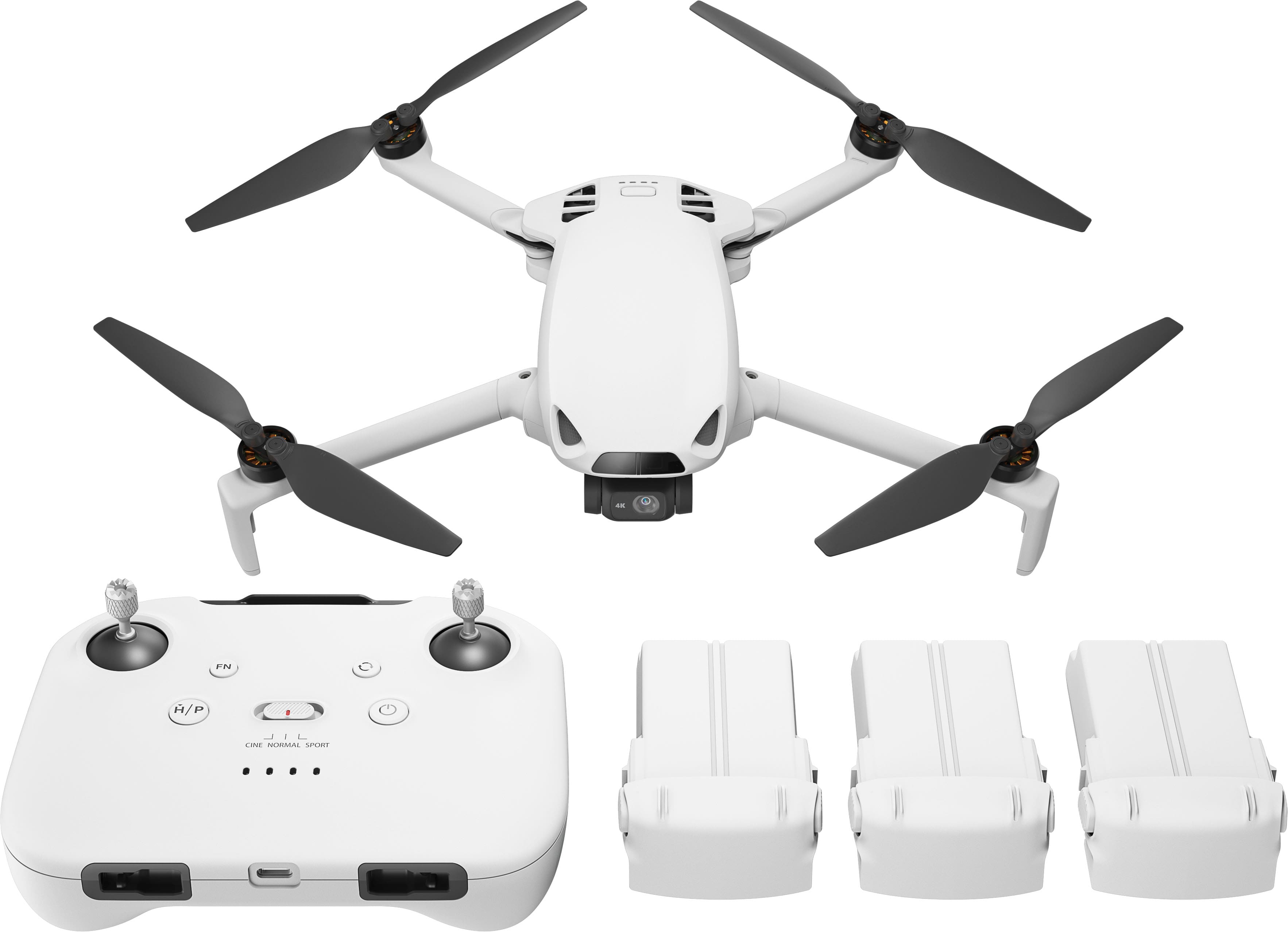
The included shoulder bag is genuinely useful, not an afterthought. It holds the drone, controller, and all three batteries with room to spare. During testing, I carried this bag on multiple hiking trips, and the compact form meant I could stow it in a daypack without sacrificing water or supplies.
Performance in Real Use
Image Quality: The 8K photo capability surprised me. Shooting landscapes during golden hour produced files with genuine detail that held up well in Lightroom editing. However, the 8K is interpolated—you’re getting 48MP through software processing, not native sensor resolution. For social media and prints up to 16×20, the results are excellent.
Video Performance: This is where expectations need management. The 4K/60fps video is crisp and the 3-axis gimbal provides buttery smooth footage, but you’re limited to h.264 compression without professional color profiles. I found the dynamic range adequate for most conditions, but high-contrast scenes required careful exposure management.
Flight Time Reality: After cycling through all three batteries multiple times, I averaged 36 minutes per battery with moderate filming. That’s 108 minutes of actual flight—close enough to the 120-minute claim to be respectable. The quick-charge capability means you can realistically film all day by rotating batteries.
Ease of Use
For beginners, the SKYROVER S1 hits a sweet spot. The one-tap takeoff and landing work flawlessly, and the Smart Return-to-Home brought the drone back within 2 meters of takeoff point consistently. The AI tracking maintained solid lock on moving subjects in open areas, though it occasionally lost subjects when they passed behind thin trees.
Where it falls short of premium drones is in automated flight modes. You get basic orbit and follow modes, but lack the sophisticated pre-programmed flight paths of higher-end models. For most users, this won’t matter, but professional creators might miss those capabilities.
Durability & Reliability
I tested the wind resistance claims on a coastal shoot with 15-20 mph winds. The drone maintained stable hover with minimal correction needed—impressive for something this light. The operating temperature range proved accurate during early morning shoots in 35°F conditions, though battery life dropped about 15% in the cold.
The forward obstacle avoidance reliably detected larger objects like trees and buildings, but consistently missed thin branches and wires. This isn’t unique to the S1—most forward-only systems share this limitation. The key is understanding this isn’t an autonomous flying system; you remain the pilot.
Pros & Cons
Pros:
- Genuine portability: The 249g weight and compact folding make it truly travel-friendly
- Excellent battery system: Three batteries provide legitimate extended flight sessions
- Surprising image quality: 8K photos and stabilized 4K video outperform many competitors in this class
- Beginner-friendly operation: Intuitive controls and reliable automated features reduce learning curve
- No FAA registration: The sub-250g weight eliminates registration requirements in the US
Cons:
- Limited obstacle sensing: Forward-only avoidance requires maintaining situational awareness
- No professional video features: Missing LOG profiles and higher bitrate options serious creators need
- 8K marketing can mislead: Video tops out at 4K, which may disappoint those expecting 8K video
- App could be more polished: Functional but lacks the refinement of market leader applications
Comparison & Alternatives
Cheaper Alternative: Holy Stone HS720G
At around $200, the HS720G offers 4K video with stabilization in a similar form factor. Where it falls short: shorter flight time (26 minutes per battery), less refined gimbal stabilization, and no obstacle avoidance. Choose this if: You’re on a tight budget and can sacrifice some image quality and flight time.
Premium Alternative: DJI Mini 4 Pro
The $759 Mini 4 Pro represents the gold standard in this category. You gain omnidirectional obstacle avoidance, superior image processing, professional video features, and a more polished ecosystem. Choose this if: You need professional-grade features and maximum safety for commercial work or demanding creative projects.
The SKYROVER S1 sits perfectly between these options—offering better performance than budget drones without the premium price tag, while including crucial features like obstacle avoidance that cheaper models lack.
Buying Guide / Who Should Buy
Best for Beginners: If you’re new to drones, the SKYROVER S1 provides a gentle learning curve with enough automated features to build confidence. The obstacle avoidance prevents costly beginner mistakes, while the image quality will satisfy most recreational users.
Best for Travel Creators: The combination of lightweight design, extended flight time, and good image quality makes this ideal for travelers who want to capture aerial footage without carrying heavy gear. I’ve packed this through multiple airport security checks without issues.
Not Recommended For:
- Professional cinematographers needing LOG footage and high bitrates for color grading
- Commercial survey/mapping work requiring absolute positioning accuracy
- Users who need complete autonomous safety—the forward-only avoidance requires active piloting
- Those wanting the latest automated flight modes like master shots and advanced tracking
FAQ
Is the 120-minute flight time realistic?
With three batteries, you’ll achieve 100+ minutes of actual flight time in normal conditions. Each battery gives 35-38 minutes rather than the claimed 40, but the total is still impressive and practical for extended filming sessions.
How does the 8K photo quality compare to professional drones?
The 8K photos are interpolated, not native, but still provide excellent detail for social media and moderate-sized prints. They won’t match the dynamic range or color depth of $1,500+ drones, but outperform anything else near this price point.
Can I use this for professional YouTube content?
Absolutely—the 4K video with 3-axis stabilization produces clean, professional-looking footage suitable for YouTube. The limitation comes if you need advanced color grading, where the lack of LOG profiles becomes noticeable.
How reliable is the obstacle avoidance?
It works well for larger solid objects in good lighting conditions. Don’t trust it with thin branches, wires, or glass surfaces. This is a safety aid, not an autonomous collision avoidance system.
Is the SKYROVER S1 worth $296?
Given the included three batteries, shoulder bag, and legitimate 4K capabilities, it represents solid value in the sub-$300 drone market. You’re getting features typically found in more expensive drones, making it a smart choice for serious amateurs and travel creators.
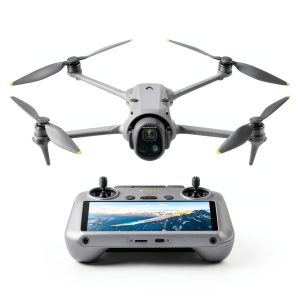
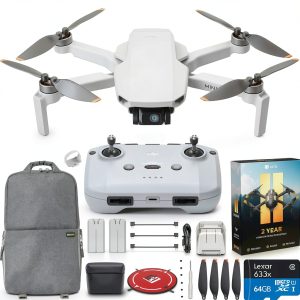 DJI Mini 4K Drone with Gimbal Beginner Friendly FAA
 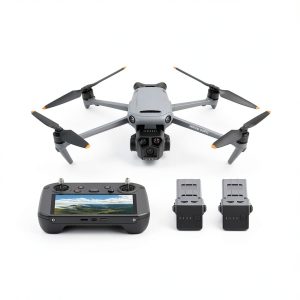 DJI Mavic 3 Pro Drone Hasselblad Camera 43 Minute Flight
 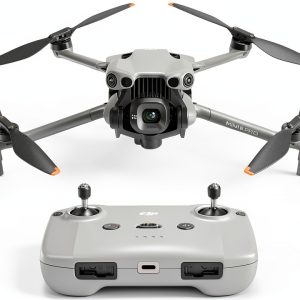 DJI Mini 5 Pro Foldable 4K Drone with Obstacle Avoidance
 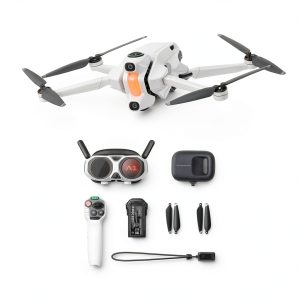 Antigravity A1 8K 360 Drone Lightweight Motion Control
 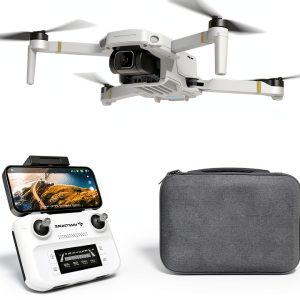 Snaptain P30 Pro 4K GPS Drone Lightweight 31Min Flight
 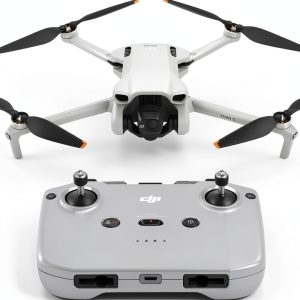 DJI Mini 3 Drone 4K HDR Video Lightweight Remote Control